
Master Plan of Prestige Evergreen
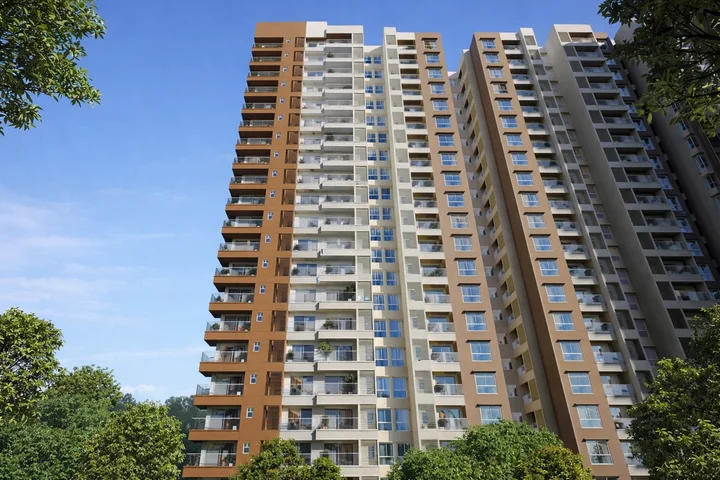
Prestige Evergreen is planned as a large, well-spaced residential township with high-rise towers arranged around central landscaped courtyards. Vehicular movement is largely kept to the periphery, allowing safer pedestrian-friendly internal zones. The master plan prioritizes green spaces, natural light, and clear separation between living areas and amenities, with a centrally located clubhouse acting as the social heart of the community.

Prestige Evergreen Master Plan: How 24.7 Acres Are Being Put to Work
A master plan is a promise. It is the developer saying: here is how we intend to use this land, and here is the life we think it will support. Some master plans are generous. Some are efficient to the point of feeling crowded. And some - the good ones - are designed around the people who will actually live there, not just the number of units that can be legally fit onto the plot.
Prestige Evergreen's master plan falls into the third category. Here is what it shows, and why it matters.
Start with the land itself
24.7 acres is a meaningful site size for Whitefield context. Many projects operate in the 5 to 8 acre range, with some larger ones at 12 to 15 acres. At 24.7 acres, this project can be planned at township scale rather than just apartment-complex scale.
That difference shows up in practical planning outcomes:
-
Space for amenities without compressing open zones.
-
Longer landscape trails that function as actual movement corridors.
-
Tower spacing that avoids direct visual intrusion into neighboring units.
The plan suggests the 14 towers are distributed across the site rather than clustered around a single visual anchor. The spacing appears intentional and genuine.
The central spine and how movement works
Strong master plans solve movement first: resident entry, children's safety, and ease for older residents. The Prestige Evergreen layout appears to route pedestrians through landscaped internal paths connecting towers to the central amenity core.
-
Resident pathways: walking trails, jogging routes, and garden links.
-
Amenity anchor: clubhouse as the central social hub.
-
Service separation: parking, delivery, and utilities planned away from key pedestrian flows.
This separation is basic good planning, but not all projects execute it well.
What the open space is actually doing
For a township of this type, a healthy model typically keeps a larger share of land in open space, amenities, and landscape instead of pure built footprint. The master plan here aligns with that logic.
The landscape strategy appears connected rather than fragmented:
-
Forest-style green zones and tree-lined trails.
-
Lagoon/water-edge elements with pavilion seating.
-
Plazas and activity lawns linked into one continuous experience.
These choices affect daily life directly: better walkability, cooler microclimate, safer child play areas, and more usable evening open space.
How the amenities are distributed
A common township risk is over-concentrating all amenities in one block, which creates peak-time crowding. Prestige Evergreen's plan appears to counter this with a hybrid model:
-
Central anchor: a primary clubhouse hub.
-
Distributed nodes: smaller courts, seating pockets, children's areas, and garden pavilions across the site.
That distribution reduces dependency on one core amenity point for residents in far-end towers.
The honest caveat
A master plan communicates intent. Execution is what gets validated over construction years. The structural logic here appears strong - land use, spacing, and landscape ambition are all directionally right.
Visit the site, track progress regularly, and use this master plan as your checklist for what must be delivered.
Contact Us
Pre Launch Offer For First few Customers Only!